

How to Stop Fuel Theft in Indian Fleets and Mining Operations | Comprehensive Guide
For transport companies and mining contractors in India, diesel is not just an operational expense; it is the lifeblood of the business. Fuel costs often account for up to 50% to 60% of total operating expenses for a commercial fleet. However, a significant portion of this expenditure does not translate into mileage or productivity. Instead, it is lost to a pervasive, silent profit killer: fuel theft.
Diesel pilferage remains one of the most critical challenges for heavy industries. A lack of visibility into fuel consumption allows organized syndicates, rogue operators, and external actors to drain profitability liter by liter. Fleet operators and operations heads face constant pressure to protect their margins, but traditional management techniques often fall short against increasingly sophisticated theft methods.
This guide provides a comprehensive overview of how to stop fuel theft, the limitations of conventional tracking, and how deploying an advanced fleet fuel monitoring system India can instantly protect your bottom line.
A. Understanding the Scope of Diesel Theft in Trucks and Mining Equipment
Fuel theft is rarely an isolated incident. In large logistics operations and heavy earth-moving machinery (HEMM) deployments, it is often systematic. Identifying the vulnerabilities within your fuel supply chain requires understanding exactly how diesel is compromised.
1. Common Methods of Diesel Pilferage
To implement an effective anti fuel theft device for trucks, fleet managers must first understand the common tactics used to steal fuel:
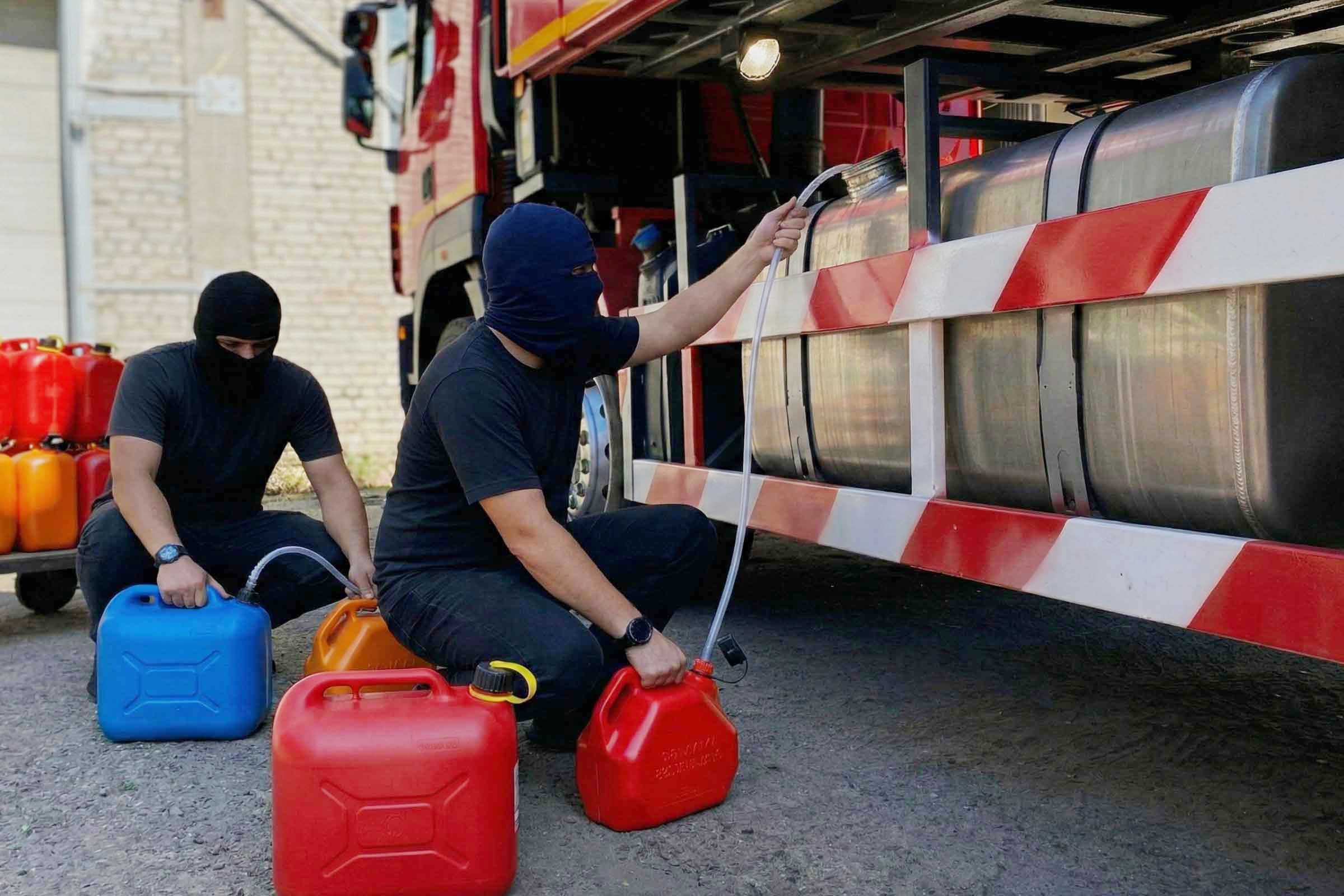
- Siphoning: The most traditional method. A hose is inserted directly into the fuel tank to extract diesel manually. Thieves often target parked trucks during overnight halts or driver rest periods.
- Return Line Tampering: Modern commercial vehicles have a fuel return line that sends unburnt diesel back to the tank. Thieves intercept this line, redirecting the returning fuel into jerry cans while the engine is running.
- Short Fuelling at Pumps: This occurs in collusion with fuel station attendants. A driver is given cash or a receipt for 100 liters, but only 80 liters are dispensed into the tank. The driver and attendant pocket the difference.
- Drain Plug Extraction: Many heavy-duty tanks feature a drain plug at the bottom for maintenance. Thieves loosen or remove this plug to quickly drain large volumes of fuel.
- Sensor Sabotage: When basic monitoring is in place, operators may attempt to blind the system by cutting wires, short-circuiting basic float sensors, or placing magnets to disrupt data transmission.
In the mining sector, the challenge is magnified. HEMM fuel monitoring is complex because vehicles like dump trucks, excavators, and loaders consume massive volumes of diesel, operate in remote areas, and have extremely large fuel tanks. A minor percentage variation in a 1000-liter tank represents a substantial financial loss that can easily go unnoticed without specialized equipment.
B. Why Standard GPS Cannot Stop Fuel Theft
A common misconception among fleet owners is that a basic GPS tracking system is sufficient to prevent pilferage. While GPS is essential for route optimization and location tracking, it is not a fuel management system for transport company operations.
Here is why relying on GPS alone leaves your fleet vulnerable:
- Mileage-Based Estimates Are Inaccurate: GPS platforms calculate fuel consumption based on distance traveled and a standardized mileage metric. This theoretical model cannot detect if fuel was physically removed from the tank while the vehicle was stationary.
- Ignores Engine Idling and PTO: Heavy equipment and trucks often run auxiliary equipment (Power Take-Off) or idle for long periods. GPS tracking cannot accurately correlate this stationary fuel burn, creating a gray area where theft can easily be hidden.
- Delayed Reporting: Most basic GPS trackers lack real-time alert mechanisms for sudden fuel drops. By the time a discrepancy is noticed in an end-of-month report, the stolen fuel—and the culprit—are long gone.
To secure operational assets, decision-makers must transition from theoretical estimation to precise, physical measurement using a dedicated fuel level sensor for mining and logistics.
C. The Ultimate Solution: Fleet Fuel Monitoring System
A modern fleet fuel monitoring system eliminates guesswork. It involves installing high-precision hardware directly into the vehicle's fuel tank, integrated with advanced telematics software.
An anti fuel theft device for trucks and HEMM functions by establishing a continuous, accurate baseline of the fuel level. The system measures the exact volume of diesel dispensed into the tank, monitors the steady decline during operation, and instantly triggers an alarm if there is a sudden, unauthorized drop in volume.
By implementing this technology, fleet managers gain:
- Real-time visibility into tank levels across the entire fleet.
- Instant SMS or email alerts the moment a theft event occurs.
- Accurate reconciliation of fuel bills against actual fuel received.
- Detailed analytics on fuel efficiency per vehicle and per driver.
D. Deep Dive: Advanced Fuel Level Sensors for Mining and Logistics
Not all sensors are created equal. In the demanding environments of Indian logistics and mining, cheap, factory-fitted float sensors fail rapidly. To achieve reliable HEMM fuel monitoring and secure transport fleets, industry leaders are turning to advanced capacitive sensors. Two of the most robust, enterprise-grade solutions available today are the Mielta Katana and the Mielta Fantom.
1. Mielta Katana: Heavy-Duty Fuel Level Sensor for Mining
The Mielta Katana is engineered specifically for extreme industrial environments. It operates on the capacitive principle, acting as a highly sensitive measuring capacitor immersed in the fuel.
- 1% Measurement Accuracy: The Katana provides forensic-level precision. It can detect minor fluctuations and short-fuelling events that standard sensors miss.
- Mining-Grade Durability: Heavy earth-moving machinery generates intense vibrations. The Katana is built to withstand these shocks, ensuring continuous data flow without hardware failure.
- IP68 Rating: Complete protection against dust ingress and continuous water submersion. This is critical for mining sites and monsoon-heavy regions in India.
- Thick Steel Flange: Unlike standard sensors that use plastic mounting plates prone to cracking, the Katana features a robust steel flange. This ensures a secure, leak-proof seal on the tank, even under severe mechanical stress.
- Galvanic Isolation: Protects the sensor from voltage surges and electrical sabotage, a common tactic used by rogue operators attempting to blind the monitoring system.
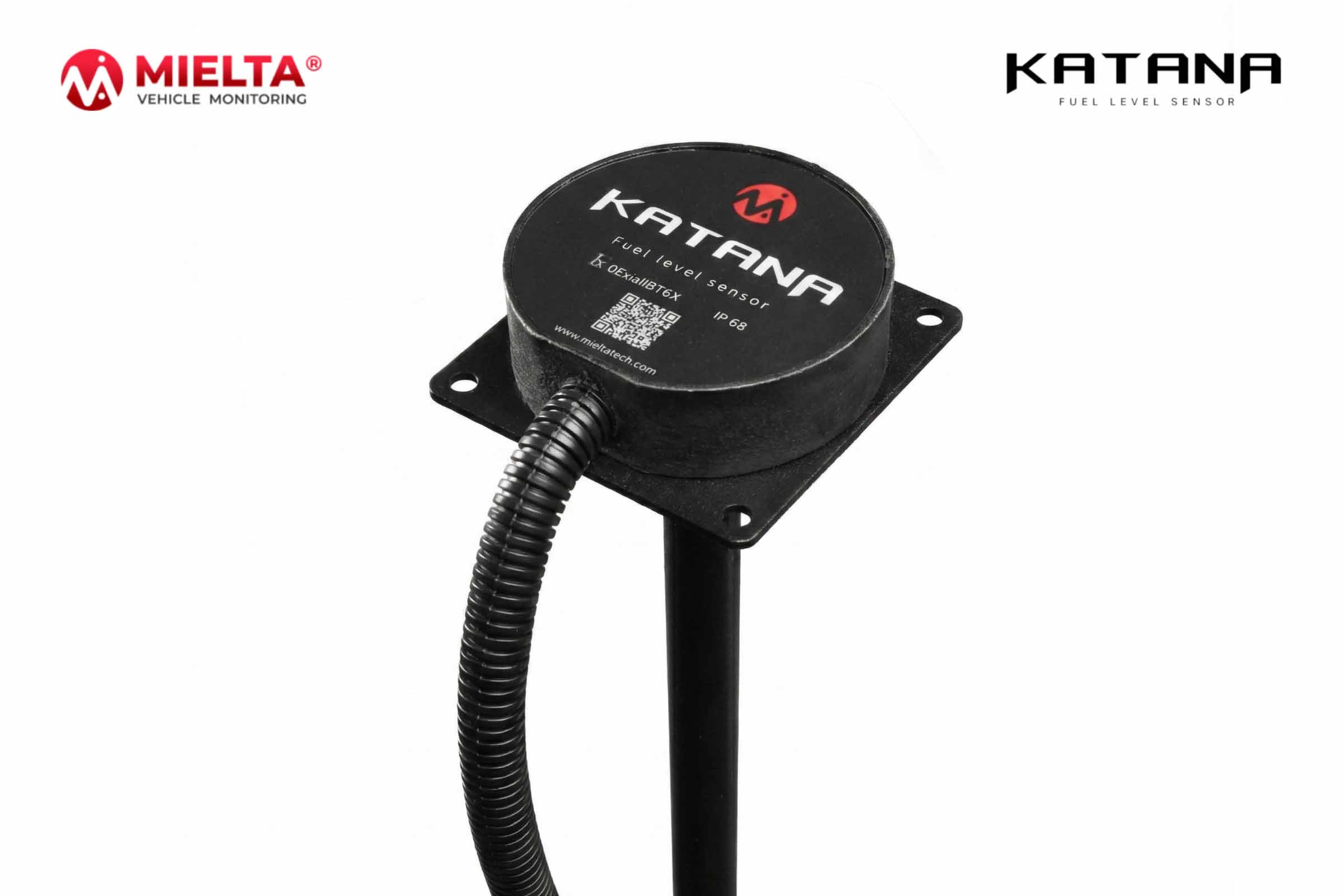
Download Technical Specifications: Mielta Katana Brochure (PDF)
2. Mielta Fantom: Next-Generation Wireless Fuel Sensor
For transport companies looking for rapid deployment and absolute immunity to wire-cutting sabotage, the Mielta Fantom represents the pinnacle of fuel monitoring technology.
- Completely Wireless Operation: The Fantom eliminates the need for cabling between the sensor and the GPS tracker. This removes the most common point of failure and sabotage—cut wires.
- Bluetooth Low Energy (BLE 5.0): Ensures a stable, long-range connection to the telematics terminal, even in environments with heavy electromagnetic interference.
- 7-Year Internal Battery: Powered by an ultra-low-consumption architecture, the Fantom operates reliably for up to seven years without requiring a battery replacement or external power source.
- Anti-Sabotage Design: Built-in accelerometers and tamper-detection mechanisms instantly alert fleet managers if an attempt is made to forcefully remove the sensor from the tank or tilt the vehicle to bypass readings.
- Seamless Installation: Without the need to route cables through the vehicle chassis, installation time is cut in half, reducing vehicle downtime significantly.
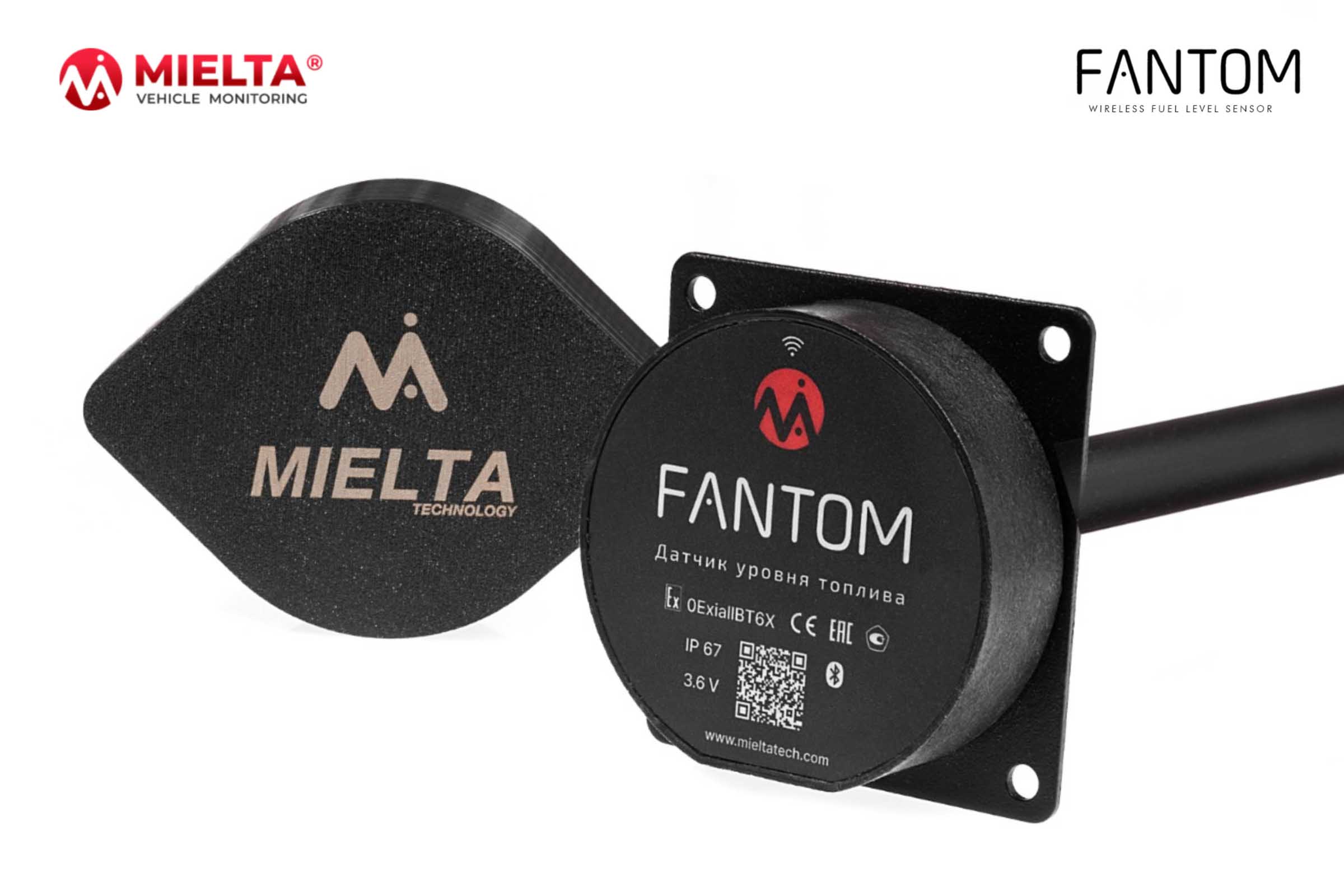
Download Technical Specifications: Mielta Fantom Brochure (PDF)
E. Calculating the ROI of a Fuel Management System
Investing in enterprise-grade fuel sensors requires capital, but the return on investment (ROI) is exceptionally rapid. To demonstrate the financial impact, consider the following calculation for a mid-sized fleet.
| Scenario Parameter | Value |
|---|---|
| Fleet Size | 50 trucks |
| Average Daily Distance per truck | 300 km |
| Average Mileage | 3 km/liter |
| Daily Fuel Consumption per truck | 100 liters |
| Current Diesel Price | Rs. 90 per liter |
The Cost of Unmonitored Pilferage:
Conservative estimates suggest that fleets without monitoring lose an average of 5% of their fuel to theft and short-fuelling.
- Daily Loss per truck: 5 liters (Rs. 450)
- Monthly Loss per truck (25 days): Rs. 11,250
- Total Monthly Fleet Loss (50 trucks): Rs. 5,62,500
The ROI Realization:
If the cost of outfitting a truck with a high-end GPS terminal and a Mielta Katana sensor is approximately Rs. 15,000 per vehicle:
- Total Fleet Investment: Rs. 7,50,000
- Payback Period: Less than 45 Days.
Once the initial investment is recovered in month two, the Rs. 5.6 Lakhs previously lost to pilferage is directly added to the company's monthly profit margin.

F. Key Industries Relying on Advanced Fuel Monitoring
The implementation of high-precision fuel sensors is driving profitability across several critical sectors in India:
- Mining Contractors: Excavators, dumpers, and bulldozers consume diesel by the barrel. HEMM fuel monitoring is mandatory to ensure these remote, high-consumption assets are not being drained by local syndicates.
- Logistics and Long-Haul Transport: With trucks crossing state lines over multi-day journeys, operations heads require continuous visibility to ensure drivers are not siphoning fuel at unauthorized overnight stops.
- Construction and Infrastructure: Generators, cranes, and concrete mixers operate in chaotic environments. Automated monitoring prevents fuel diversion on large-scale infrastructure sites.
- Ports and Material Handling: Reach stackers and forklifts operate continuously. Fuel management systems ensure precise shift-by-shift accountability.
- Fuel Tankers and Distribution: Ensuring the volume loaded at the depot matches the volume delivered to the client, protecting the distributor's reputation and revenue.
G. How to Choose the Right Fuel Level Sensor in India
Selecting the correct hardware is critical to the success of your fuel monitoring initiative. When evaluating an anti fuel theft device for trucks, consider the following parameters:
- Measuring Principle: Avoid mechanical float sensors. Always opt for capacitive sensors, which provide the high resolution (1% or better accuracy) required to detect subtle theft.
- Wired vs. Wireless: Evaluate your risk profile. If wire sabotage is a historical issue in your fleet, invest in a wireless BLE 5.0 sensor like the Mielta Fantom. For standard heavy-duty applications, a rugged wired sensor like the Mielta Katana is highly effective.
- Physical Durability: Check the ingress protection (IP) rating. Ensure the sensor is rated IP68. Look for metal flanges rather than plastic mounts to guarantee longevity in harsh Indian road conditions.
- Integration Capabilities: The sensor must seamlessly integrate with your existing telematics platform or GPS trackers. Standard protocols like RS-485 or Bluetooth are essential.
- Warranty and Support: Enterprise hardware should be backed by a strong manufacturer warranty and supported by local installation and calibration experts.
"Fuel theft is an operational hazard, but it is no longer an unavoidable cost of doing business. Transition from a reactive posture to proactive control."