

Carbon Black Industry Explained: What International Traders and Buyers Need to Know
A. The Origins: Atoms and Early Chemistry
1. Ancient Concepts of Atoms
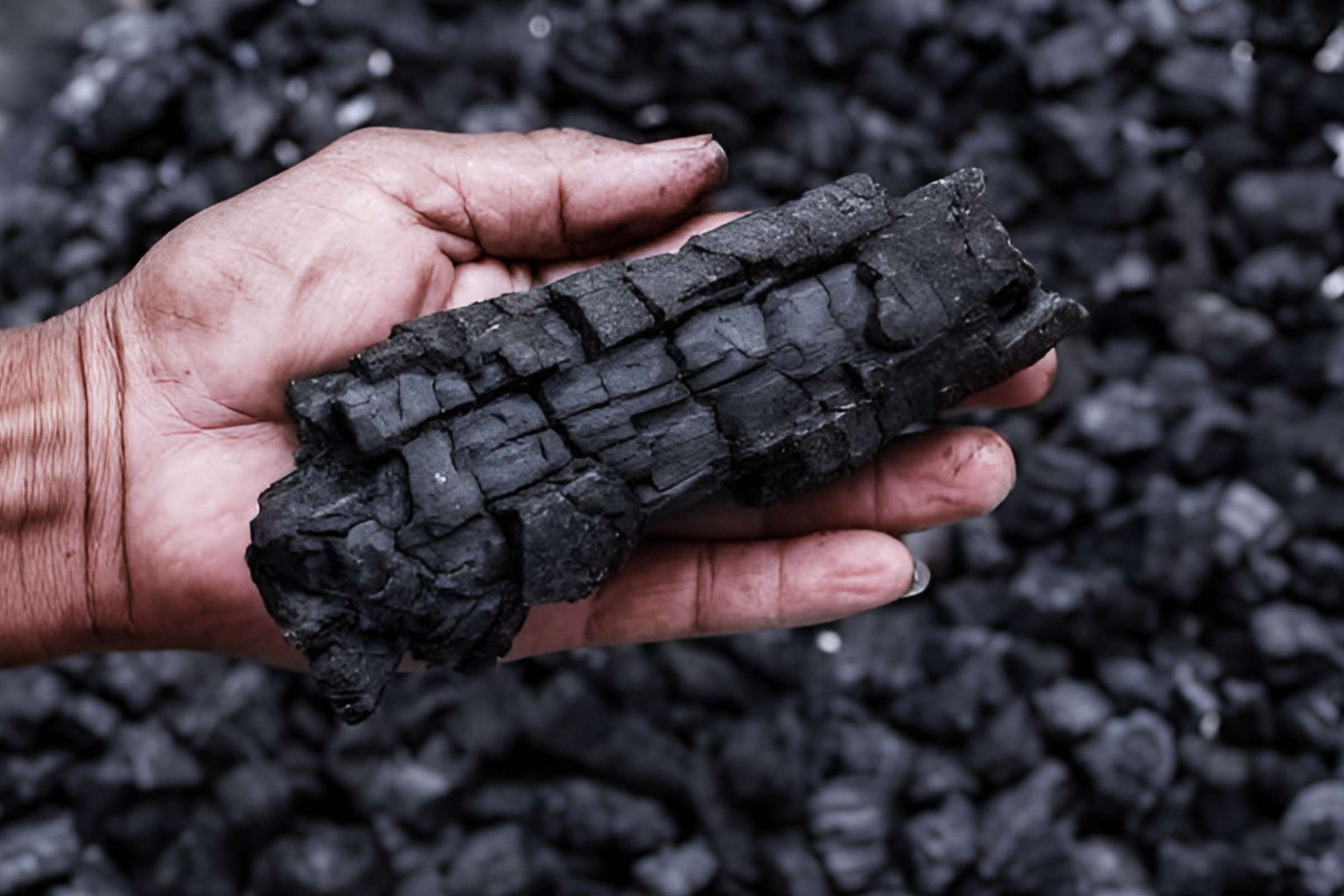
The story of carbon black begins long before industrial factories. In the 5th century BCE, Greek philosopher Democritus introduced “atomos,” meaning indivisible particles, theorizing that all matter is composed of tiny, indestructible units. While philosophical at the time, this laid the foundation for understanding elements like carbon.
2. Alchemy and Early Experiments with Soot
During alchemy (1st–17th centuries), early scientists experimented with burning oils and resins, producing fine black powders. These soot residues hinted at properties that would later become central to carbon black's use in pigments and rubber reinforcement.
3. Discovery of Carbon as an Element
By the 18th century, chemists isolated carbon in forms such as charcoal, graphite, and diamonds. Charcoal highlighted light absorption, graphite showed electrical conductivity, and diamonds revealed hardness and strength, creating a foundation for future applications.
4. Early Observations of Soot from Oil and Hydrocarbon Combustion
In the 1800s, soot from incomplete combustion was noted for its fine texture and ability to disperse evenly. Industrial thinkers recognized its potential not just as a pigment but as a functional reinforcement material.
B. Birth of Carbon Black
1. First Commercial Uses in Inks, Paints, and Rubber
In the mid-1800s, carbon black first gained commercial importance as a pigment. Printers relied on it to produce deep black inks that resisted fading, while painters valued its consistency and durability. Its role quickly expanded into rubber experiments, where manufacturers noticed that adding carbon black to natural rubber improved wear resistance and mechanical strength. These early trials hinted at its future as a critical industrial additive.
2. Charles Goodyear and the Vulcanization Revolution (1839)
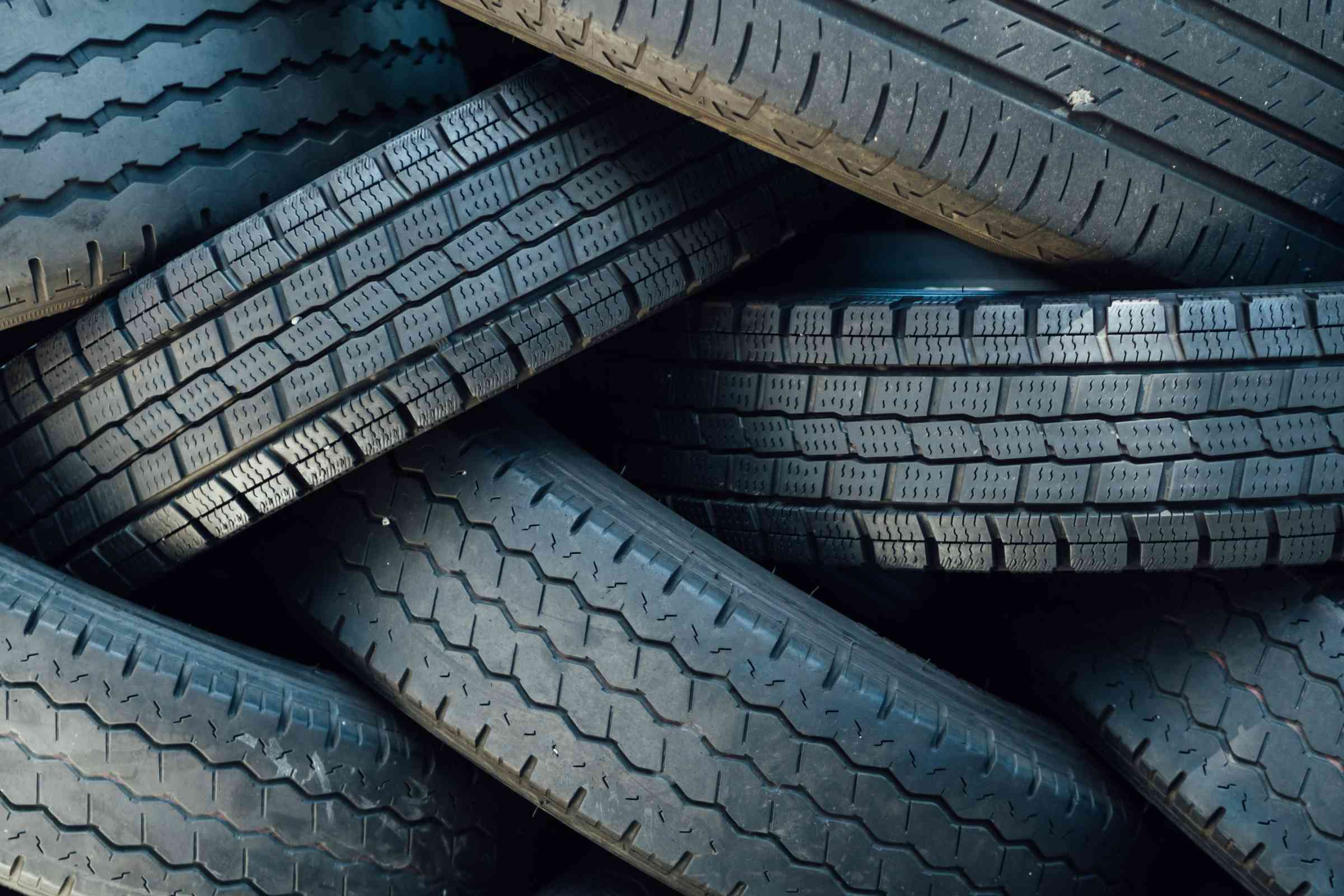
In 1839, Charles Goodyear discovered vulcanization, the process of treating natural rubber with sulfur under heat. This breakthrough made rubber more elastic, durable, and heat resistant. When combined with carbon black, vulcanized rubber became tougher and longer-lasting — perfect for belts, hoses, and early industrial products. This marked the first major technological leap for carbon black beyond simple pigmentation.
3. Lampblack: The First Production Method
The earliest large-scale carbon black was produced as lampblack. Oils, tars, or resins were burned in low-oxygen conditions, and the rising soot was collected on cool surfaces such as ceramic or metal. While simple and inexpensive, lampblack had serious drawbacks:
- Low production yield (only 5–10% conversion of raw material)
- Inconsistent particle size, leading to unpredictable performance
- Limited applications due to impurities and irregularity
Despite these challenges, lampblack provided the essential bridge between artisanal soot collection and the industrial production processes that would later dominate the market.
4. Industrial Revolution and Surge in Demand
By the late 1800s, the Industrial Revolution had created unprecedented demand for reliable materials. The growth of railways, machinery, and transportation increased the need for durable rubber goods. Carbon black became vital in:
- Tires and belts for locomotives and factories
- Industrial hoses resistant to wear and pressure
- Protective coatings and paints with longer lifespans
During this period, carbon black evolved from being viewed as just a colorant to being recognized as a functional reinforcement material — a reputation that continues today.
C. Advances in Chemistry and Testing
1. Particle Size and Rubber Reinforcement
Scientists studying carbon black discovered that its performance depended on particle size and structure. Carbon black forms aggregates — clusters of tiny particles that bond together. Smaller particles have higher surface area, which creates stronger interaction with rubber molecules. This directly translates into better tensile strength, abrasion resistance, and durability.
Larger particles, by contrast, provide less reinforcement but can improve properties like elasticity and resilience. This balance gave rise to different grades of carbon black, each suited for specific applications — from high-performance tires to flexible seals and gaskets.
| Particle Size (nm) | Surface Area (m²/g) | Reinforcement Index | Example Applications |
|---|---|---|---|
| 15 | 150 | High | Racing tires, conveyor belts, heavy-duty mechanical goods |
| 30 | 120 | Medium | Passenger car tires, hoses, general rubber goods |
| 50 | 80 | Low | Footwear soles, seals, vibration-dampening parts |
"Know the grade, check the COA, and always match the chemical to the job."
2. Chemical Testing and Material Science
As the science advanced, carbon black began to be tested not only for particle size but also for:
- Surface activity (interaction with rubber and plastics)
- Porosity (affecting dispersion and mechanical strength)
- Structure (DBP absorption), influencing stiffness and elasticity
- Chemical composition (ash, sulfur, volatiles, pH)
These tests enabled manufacturers to design custom grades of carbon black optimized for specific products. This was the beginning of carbon black as a precision-engineered material.
3. Industry Adoption
By the early 20th century, advances in chemistry and testing allowed carbon black to be manufactured to exact specifications. Tire manufacturers quickly realized that fine-tuned grades of carbon black could extend tire life by four to five times. This was a turning point: carbon black was no longer just an additive, but an essential strategic material for the automotive age.
2. Surface Chemistry: Porosity and Adsorption
Surface area and porosity affect interaction with rubber. Adsorption measurements (NSA, STSA) predict reinforcement efficiency:
Reinforcement Efficiency ∝ Surface Area × Interaction with Polymer
3. Iodine Absorption Test
| Grade | Iodine Absorption (g/kg) | Primary Use |
|---|---|---|
| N220 | 121 | High-strength tire rubber |
| N330 | 82 | General tire rubber |
| N550 | 43 | Mid-level reinforcement |
| N660 | 36 | Low-strength filler |
4. DBP Absorption and COAN
DBP absorption measures carbon black structure; higher values = higher reinforcement potential. COAN evaluates compacted behavior. Formula example:
Reinforcement Index = (DBP absorption × Surface Area) / 1000
D. Modern Carbon Black Industry Emerges
1. Furnace Black Method (1920s–1930s)
The development of the furnace black process revolutionized the industry. Unlike older methods such as lampblack, the furnace method allowed continuous, large-scale production by burning heavy aromatic oils or natural gas under controlled conditions. The process delivered higher yields, more uniform particle sizes, and consistent quality — paving the way for carbon black to become the primary reinforcing filler in rubber and plastics. This shift marked the beginning of carbon black’s transformation from a specialty pigment into a strategic industrial commodity.
| Property | Lampblack | Furnace Black |
|---|---|---|
| Particle Size (nm) | 20–40 | 15–35 |
| Surface Area (m²/g) | 50–70 | 100–150 |
| Production Yield (%) | 5–10 | 20–30 |
| Industrial Use | Limited (inks, pigments) | Mass-scale reinforcement for tires, rubber |
The improved efficiency of the furnace method also lowered costs, making carbon black accessible to industries worldwide and accelerating its use in automobiles, infrastructure, and consumer goods.
2. Specialty Grades: Thermal & Acetylene Black
Beyond furnace black, specialized processes created new grades tailored for unique applications:
- Thermal Black: Produced by decomposing natural gas at high temperatures. Its larger particle sizes and lower structure make it ideal for plastics, insulation, and chemical-resistant products.
- Acetylene Black: Made from acetylene gas, it has high purity and outstanding electrical conductivity. Commonly used in batteries, fuel cells, cables, and high-performance rubber.
These specialty blacks expanded carbon black’s role beyond reinforcement — bringing it into electronics, coatings, and even energy storage.
3. ASTM Standards
To support global trade and product reliability, the American Society for Testing and Materials (ASTM) introduced classification and testing standards. These ensure consistency in key properties such as:
- Particle size distribution
- Structure (DBP absorption, COAN)
- Surface area (NSA, STSA)
- Chemical purity (sulfur, ash, volatiles)
Thanks to ASTM standards, tire manufacturers in the US, Europe, and Asia can all trust that a given carbon black grade will perform the same, regardless of where it is produced.
4. Pelletizing, Packaging, and Handling
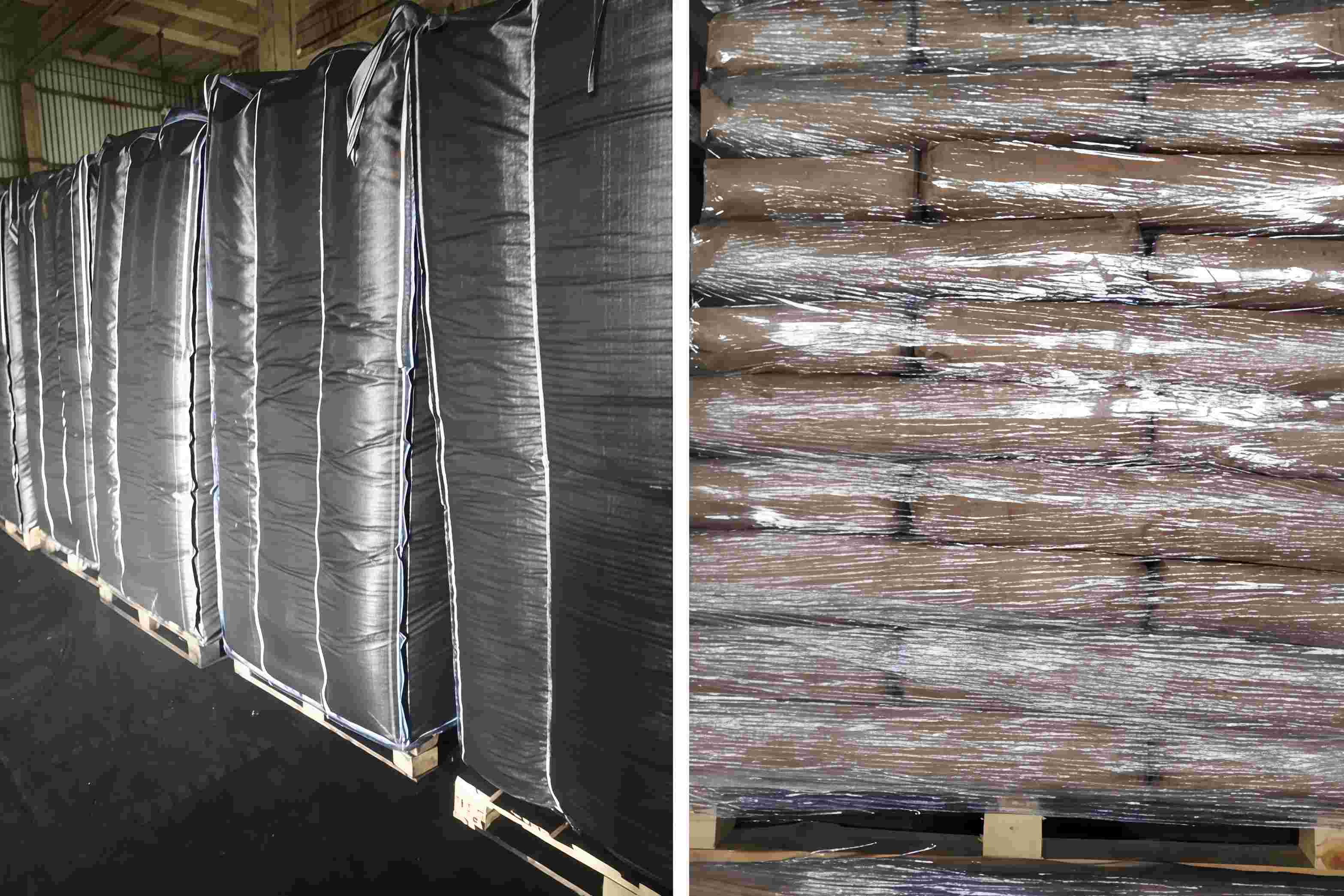
Early carbon black was shipped as loose powder, creating major dust and safety challenges. The adoption of pelletizing technology solved this problem by compressing fine particles into pellets, which reduced dust, improved flow during handling, and simplified bulk transport. Today, pelletized carbon black is shipped globally in bags, bulk containers, and silos — transforming it into a true internationally traded commodity.
"Buying cheap can cost much more than paying for the right quality."
E. Science Meets Industry
1. Reinforcement Studies
Research in the mid-20th century confirmed that carbon black dramatically improves tensile strength, abrasion resistance, and fatigue life of rubber. Smaller, highly structured particles provide greater reinforcement, making tires more durable and safer. This discovery cemented carbon black’s role as an essential material in the automotive revolution.
2. Surface Modification
Scientists also learned that chemical treatment of carbon black surfaces could enhance compatibility with polymers, improve dispersion, and reduce wear. Modified surfaces allow manufacturers to design custom properties such as reduced cracking, better weather resistance, or improved electrical conductivity.
3. Environmental Regulations
As production scaled, environmental concerns grew. Carbon black plants generate emissions, dust, and wastewater. To address this, governments imposed stricter emission controls and dust collection systems. Today, modern plants use afterburners, scrubbers, and closed-loop water systems to minimize environmental impact. These measures have made carbon black production cleaner and safer, while maintaining efficiency.
4. Quality Control Labs
With thousands of applications, every batch of carbon black must meet tight specifications. Dedicated QC labs run standardized tests to verify performance. For example, N-series grades (defined by ASTM) are widely used in tires and rubber products:
| Parameter | N220 | N330 | N550 | N660 |
|---|---|---|---|---|
| NSA (m²/g) | 114 | 78 | 40 | 35 |
| DBP (cm³/100g) | 114 | 102 | 121 | 90 |
| Iodine Number (g/kg) | 121 | 82 | 43 | 36 |
| Tint (%) | 112 | 103 | 97 | 88 |
| Application Focus | High abrasion tires, conveyor belts | General-purpose tires, hoses | Extrusions, mechanical goods | Low hysteresis, inner liners |
By comparing these parameters, manufacturers select the right grade for their needs — whether for high-performance racing tires, industrial hoses, or fuel-efficient passenger tires. This scientific approach has made carbon black a precision-engineered material rather than a simple filler.
F. Carbon Black in Global Trade
Post-WWII expansion, emerging markets (India, China, Brazil), and integration with tire industry drove global supply chains. Export-import standards, ASTM compliance, and lab certificates ensure consistent quality worldwide.
| Region | Key Producers | Production Focus |
|---|---|---|
| North America | Cabot, Orion, Continental | High-performance rubber, tires |
| Europe | Birla Carbon, Continental | Tires, industrial rubber |
| Asia | Birla Carbon, Sinopec | Emerging tire & plastics |
| South America | Brazil Carbon, Magma | Automotive & industrial |
G. Carbon Black Today
1. Specialty Carbon Blacks
Modern industries rely on highly engineered grades of carbon black. For example, high-performance tires use grades that balance rolling resistance, grip, and durability. Electronics benefit from conductive carbon blacks used in batteries, cables, and sensors. Coatings and plastics use them not just for color, but for UV protection and strength. Printing inks require ultra-fine particles to achieve deep black tones and sharp resolution. Specialty carbon blacks are designed with precise particle size, surface chemistry, and structure to match these applications.
2. Nano-Carbon Black & Sustainability
New nano-carbon black materials are opening the door to lighter, stronger, and more efficient products. These ultra-fine particles increase reinforcement while reducing total material consumption. At the same time, global focus on sustainability has forced producers to innovate: switching to cleaner feedstocks, reducing emissions, recycling process gases, and investing in bio-based or waste-derived raw materials. Dust-free pellets and eco-friendly packaging are also becoming standard to improve worker safety and environmental performance.
3. Global Supply Chain
Carbon black is produced close to feedstock sources such as petrochemicals, making regions like Asia-Pacific (China, India) major hubs. However, supply chains are under pressure from energy prices, logistics delays, and trade policies. Global producers such as Cabot, Birla Carbon, Orion, and Continental run plants in multiple regions to ensure supply security. Buyers today must monitor not only price trends but also shipping lead times, tariffs, and environmental regulations which directly impact availability and cost.
4. Trade Considerations
International trade of carbon black involves more than price per ton. Buyers must carefully check COA (Certificate of Analysis), packaging, moisture content, and pellet size because these affect processing and product performance. For export and import, safety classifications, UN codes, and transport packaging rules must be followed. With rising competition, buyers increasingly request third-party lab verification before shipment to protect against inconsistent batches or adulterated material.
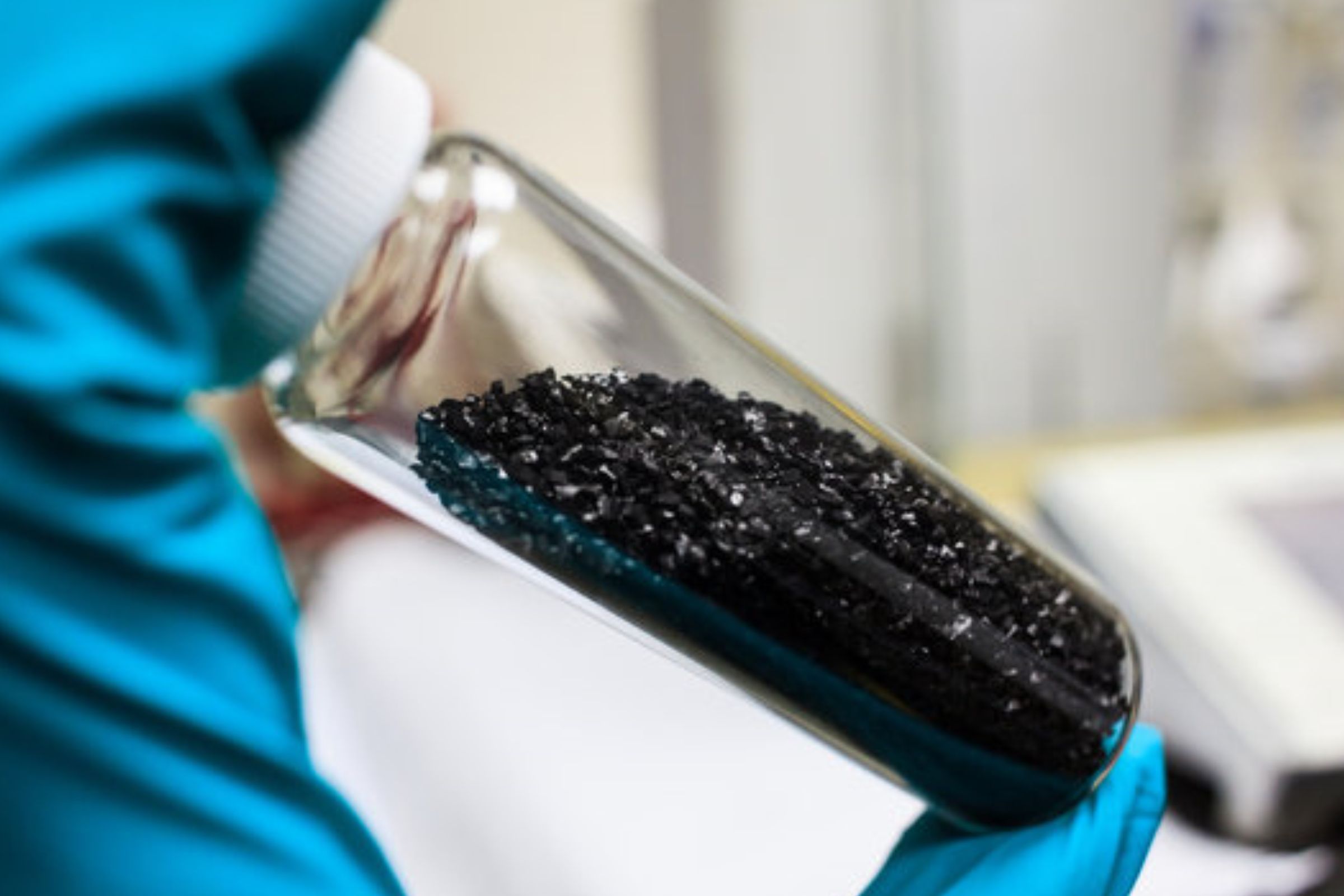
5. Testing and Lab Evaluation
Modern laboratories run multiple tests on carbon black including:
- Surface area (NSA, STSA) to measure reinforcement potential
- Structure tests (DBP absorption, COAN) to understand particle aggregation
- Chemical purity (sulfur, ash, volatile content)
- pH and dispersion for compatibility with polymers
- Color strength (Tint Test) for inks, plastics, and coatings
These tests ensure consistent quality across global markets. Many buyers now keep in-house QC labs or use independent labs to verify every shipment before accepting bulk deliveries.
6. Future Trends
The future of carbon black lies in eco-friendly, high-performance solutions. Producers are investing in renewable feedstocks, energy-efficient furnaces, and carbon capture technology to reduce emissions. Nanostructured carbon blacks are enabling new applications in electric vehicles, energy storage, conductive polymers, and advanced coatings. Market analysts predict steady demand growth in Asia and emerging markets, while Europe and North America focus more on regulation-driven innovation. Buyers should expect carbon black to remain not only a commodity but also a strategic material in global trade.
H. Carbon Black Technical Data Sheets
We supply and manage orders for all major grades of Carbon Black including N220, N234, N330, N550, and N660. Our company specializes in import–export trading and guarantees worldwide delivery. We can sell, manufacture, stock, and manage orders for you with full documentation support (TDS, COA, MSDS).
1. Carbon Black N220 – Technical Data Sheet
| Parameter | ASTM Method | Norm | Result |
|---|---|---|---|
| NSA (m²/kg) | D 6556 | 114±5 | 110 |
| STSA (m²/kg) | D 6556 | 106±5 | 108 |
| Iodine Adsorption (g/kg) | D 1510 | 121±5 | 121 |
| DBP Absorption (10⁻⁵ m³/kg) | D 2414 | 114±5 | 114 |
| COAN (10⁻⁵ m³/kg) | D 3493 | 98±5 | 96 |
| pH | D 1512 | 6–8 | 7.6 |
| Heating Loss (%) | D 1509 | ≤1.2 | 0.23 |
| Ash Content (%) | D 1506 | ≤0.45 | 0.25 |
| Sulfur (%) | D 1619 | ≤1.1 | 0.39 |
| Sieve Residue 45µm/500µm (%) | D 1514 | 0.10 / 0.0010 | 0.0036 / 0.0005 |
| Transmittance of Toluene Extract (%) | D 1618 | ≥90 | 97 |
| Pellet Hardness (cN) | D 5230 | 7 / 25–70 / 100 | 14 / 28 / 43 |
| Tint (%) | D 3265 | 116±5 | 112 |
2. Carbon Black N234 – Technical Data Sheet
| Parameter | ASTM Method | Norm | Result |
|---|---|---|---|
| NSA (m²/kg) | D 6556 | 120±5 | 117 |
| STSA (m²/kg) | D 6556 | 115±5 | 112 |
| Iodine Adsorption (g/kg) | D 1510 | 120±5 | 119 |
| DBP Absorption (10⁻⁵ m³/kg) | D 2414 | 125±5 | 126 |
| COAN (10⁻⁵ m³/kg) | D 3493 | 100±5 | 103 |
| pH | D 1512 | 6–8 | 7.6 |
| Heating Loss (%) | D 1509 | ≤1.2 | 0.48 |
| Ash Content (%) | D 1506 | ≤0.45 | 0.25 |
| Sulfur (%) | D 1619 | ≤1.1 | 0.6 |
| Sieve Residue 45µm/500µm (%) | D 1514 | 0.10 / 0.0010 | 0.0036 / 0.0005 |
| Tint (%) | D 3265 | 124±5 | 126 |
3. Carbon Black N330 – Technical Data Sheet
| Parameter | ASTM Method | Norm | Result |
|---|---|---|---|
| NSA (m²/kg) | D 6556 | 78±5 | 78 |
| STSA (m²/kg) | D 6556 | 75±5 | 77 |
| Iodine Adsorption (g/kg) | D 1510 | 82±5 | 81 |
| DBP Absorption (10⁻⁵ m³/kg) | D 2414 | 102±5 | 104 |
| COAN (10⁻⁵ m³/kg) | D 3493 | 88±5 | 84 |
| pH | D 1512 | 6–8 | 7.2 |
| Heating Loss (%) | D 1509 | ≤1.2 | 0.30 |
| Ash Content (%) | D 1506 | ≤0.45 | 0.29 |
| Sulfur (%) | D 1619 | ≤1.1 | 0.50 |
| Sieve Residue 45µm/500µm (%) | D 1514 | 0.10 / 0.0010 | 0.0032 / 0.0005 |
| Transmittance (%) | D 1618 | ≥90 | 96 |
| Pellet Hardness (cN) | D 5230 | 7 / 25–70 / 100 | 12 / 32 / 50 |
| Tint (%) | D 3265 | 104±5 | 103 |
4. Carbon Black N550 – Technical Data Sheet
| Parameter | ASTM Method | Norm | Result |
|---|---|---|---|
| NSA (m²/kg) | D 6556 | 40±5 | 37 |
| STSA (m²/kg) | D 6556 | 39±5 | 36 |
| Iodine Adsorption (g/kg) | D 1510 | 43±5 | 43 |
| DBP Absorption (10⁻⁵ m³/kg) | D 2414 | 121±5 | 122 |
| COAN (10⁻⁵ m³/kg) | D 3493 | 85±5 | 85 |
| pH | D 1512 | 6–8 | 7.8 |
| Heating Loss (%) | D 1509 | ≤1.2 | 0.29 |
| Ash Content (%) | D 1506 | ≤0.45 | 0.26 |
| Sulfur (%) | D 1619 | ≤1.1 | 0.30 |
| Sieve Residue 45µm/500µm (%) | D 1514 | 0.10 / 0.0010 | 0.027 / 0.0004 |
| Transmittance (%) | D 1618 | ≥85 | 95 |
| Pellet Hardness (cN) | D 5230 | 7 / 25–70 / 100 | 28 / 46 / 63 |
5. Carbon Black N660 – Technical Data Sheet
| Parameter | ASTM Method | Norm | Result |
|---|---|---|---|
| NSA (m²/kg) | D 6556 | 35±5 | 36 |
| STSA (m²/kg) | D 6556 | 34±5 | 35 |
| Iodine Adsorption (g/kg) | D 1510 | 36±5 | 37 |
| DBP Absorption (10⁻⁵ m³/kg) | D 2414 | 90±5 | 97 |
| COAN (10⁻⁵ m³/kg) | D 3493 | 74±5 | 74 |
| pH | D 1512 | 6–8 | 7.4 |
| Heating Loss (%) | D 1509 | ≤1.2 | 0.26 |
| Ash Content (%) | D 1506 | ≤0.45 | 0.32 |
| Sulfur (%) | D 1619 | ≤1.1 | 0.47 |
| Sieve Residue 45µm/500µm (%) | D 1514 | 0.10 / 0.0010 | 0.017 / 0.0005 |
| Transmittance (%) | D 1618 | ≥85 | 88 |
| Pellet Hardness (cN) | D 5230 | 7 / 25–70 / 100 | 10 / 33 / 58 |
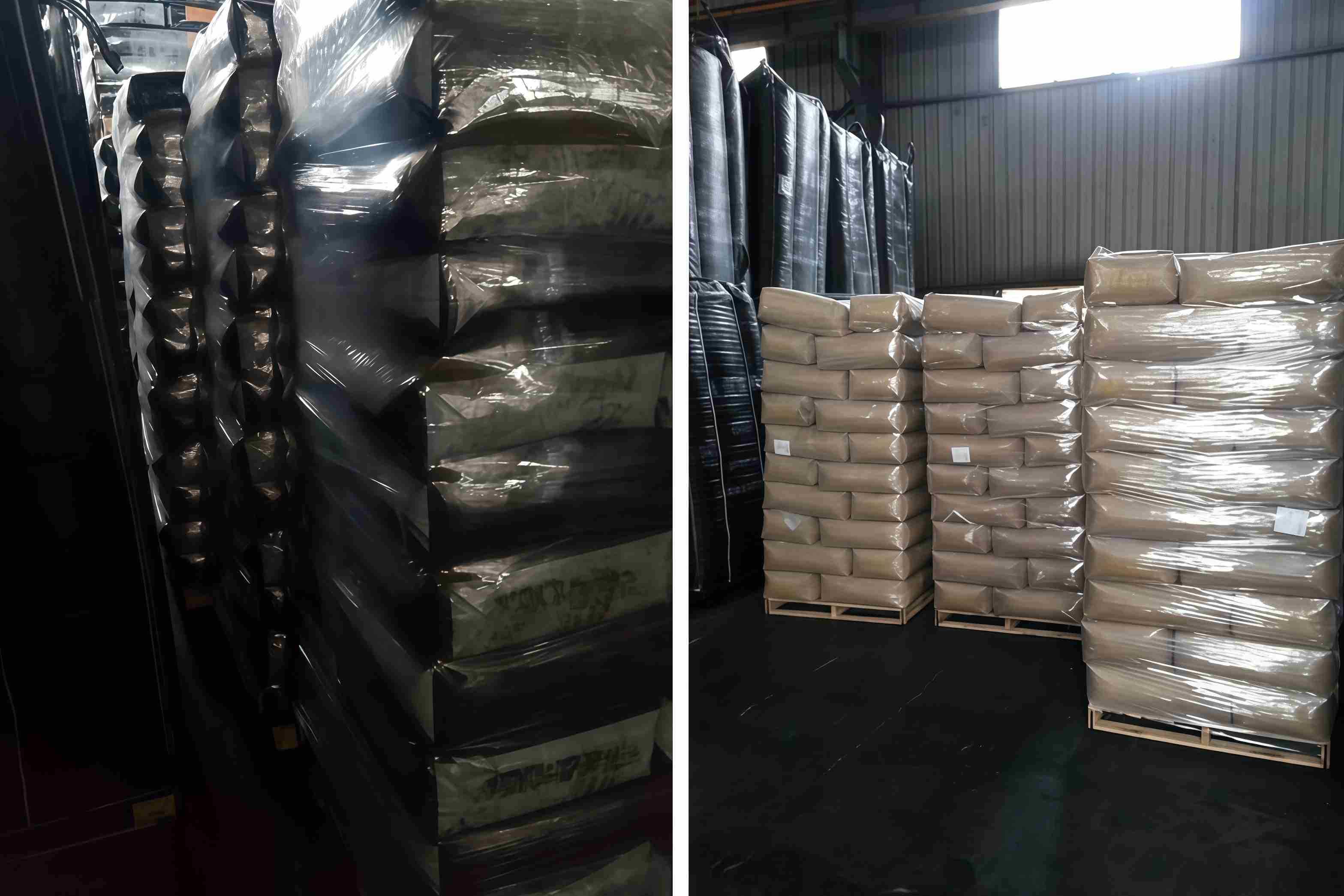
Why Choose Us?
- Direct sourcing from global manufacturers
- Complete order management & export compliance
- Stock availability in multiple grades
- Custom packaging & labeling
- Fast worldwide delivery
With us, you don’t just buy Carbon Black – you gain a dedicated partner who understands your business needs. We go beyond simple supply by offering end-to-end solutions, including sourcing the right grade, managing manufacturing requirements, handling bulk or custom orders, and ensuring smooth delivery across global markets. Our team takes care of quality control, logistics, and documentation so you can focus on growing your business with confidence. Whether you need standard grades, specialty grades, or customized formulations, we are equipped to deliver with consistency, transparency, and reliability. Partnering with us means having a trusted supplier who is committed to long-term success and ready to support your projects from concept to completion.